Daniel owns a small bookstore. Every month he put a few books on sale, and every month almost nothing changed. The discounts came and went without anyone noticing.
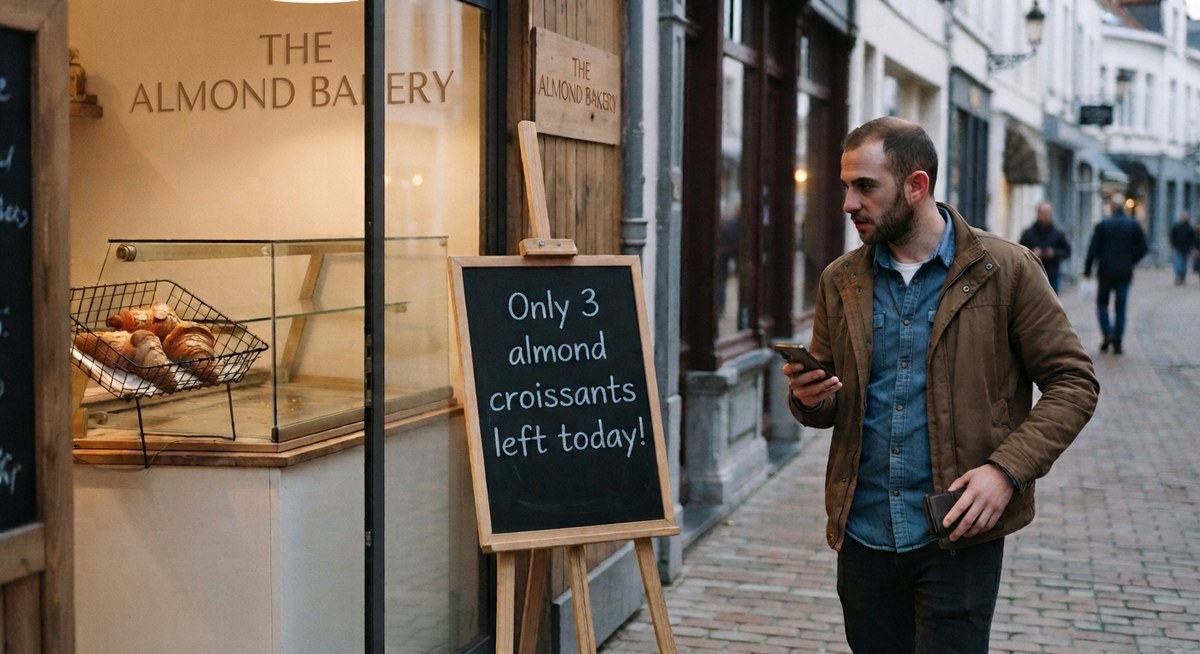
Then one autumn, he did something different. He announced a single evening called "Midnight at the Bookshop": a 24-hour sale, late opening, hot chocolate, a local author reading and a limited stock of signed copies. He emailed his list two weeks ahead and put a date on the door.
The shop was full. People who hadn't visited in months came and stayed for hours. The discount wasn't bigger than usual. What was different was that it was an event, not just a sale.
- An event is a sale with a reason, a date, a story and a limited window.
- Amazon created Prime Day in July 2015 to mark its 20th anniversary, and it became a yearly shopping moment.
- Alibaba has promoted Singles' Day every November 11 since 2009, starting with 27 merchants.
- Events work best when the deadline and limits are real, and when you prepare your audience in advance.
- Run only a few events a year, so each one feels special.
A Sale vs an Event
A normal sale is a price drop. It's easy to ignore because it asks nothing of the customer. They can buy today, tomorrow or never, and nothing changes.
An event creates a moment. It has a name, a start and an end, and a reason to care. It gives customers something to anticipate and something to talk about. Most importantly, it gives them a reason to act now. That reason is why limited-time offers work so well, as we explain in the psychology of scarcity.
A discount is something people can postpone. An event is something people don't want to miss.
How Prime Day Began
On July 15, 2015, Amazon held its first Prime Day. According to CNBC, the 24-hour event marked the company's 20th anniversary, and took place in nine countries. Amazon said Prime members ordered 34.4 million items, making it the company's largest sales day up to that point, bigger than Black Friday the year before.
Notice what Amazon did. It chose a reason (an anniversary), a short window (24 hours) and an audience (its paying members). The event also gave the company a new, reliable date on the shopping calendar. Over the following years, it grew into a multi-day event, and rivals began running their own sales on the same dates.
You don't need Amazon's scale to use the same logic: reason, window and audience.
Singles' Day: A Date Made Into a Moment
The date November 11, written 11.11, was already known in China as "Singles' Day." In 2009, Alibaba's Taobao marketplace turned it into a shopping event, with 27 merchants offering discounts. The first edition sold roughly 50 million yuan of goods, according to the South China Morning Post. In the years that followed, it grew into one of the largest shopping events in the world.
The lesson here is slightly different: events can start small. The first Singles' Day involved only a few dozen sellers. It became huge because it was repeated every year on the same date. Customers learned when it happened and began to wait for it.
Seven Events Small Businesses Can Run
1. Anniversary sale
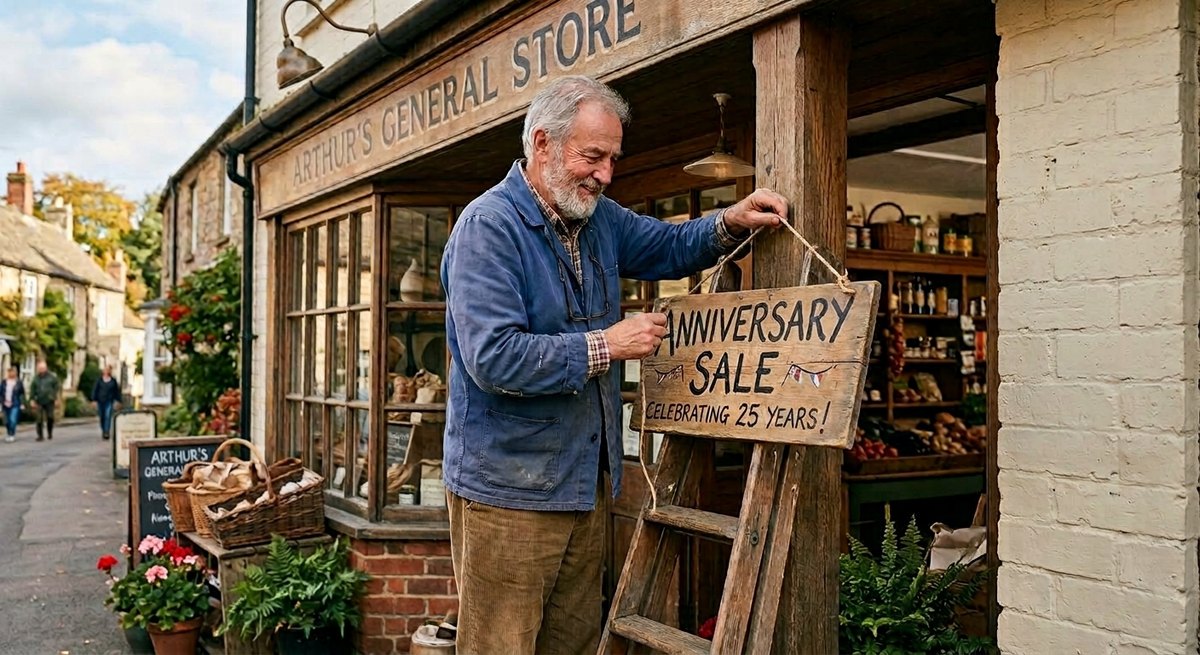
Celebrate the day your business opened. It's a personal reason that customers can join in.
2. Seasonal moment
Spring clean-up, back to school, holiday gifting. Tie your offer to a time customers already care about.
3. The 24-hour flash sale
One day, one offer, announced in advance. Short windows create focus.
4. Subscriber-only preview
Give your email list early access before anyone else. It rewards loyalty and grows your list.
5. Product launch day
Launch a new item with a special introductory price or a bonus for the first customers.
6. Customer appreciation day
Thank existing customers with a perk, a gift or an exclusive offer. It supports customer retention.
7. Community or cause day
Donate part of a day's sales to a local cause. It gives customers a second reason to buy.
A 4-Week Event Plan
Week 4 before: Decide and check the numbers
Choose the reason, date, offer and limits. Make sure you still make a profit after the discount. Our guide on unit economics shows how to check.
Week 3 before: Build your story
Give the event a name and a one-sentence reason. Prepare your email, social posts and any signs or graphics.
Week 2 before: Announce it
Tell your email list and social followers. Ask them to save the date. If you use email automation, add the event to your welcome sequence for new subscribers.
Week 1 before: Build anticipation
Share a preview, a behind-the-scenes post and a reminder. Make sure your website, stock and payment methods are ready.
Event day: Deliver and stay visible
Post updates, answer questions fast and thank buyers. Use real stock numbers if you mention limited availability.
After the event: Follow up
Thank customers, ask for reviews and invite new buyers to join your list. Note what worked for next time.
Rules for Events That Last
- Keep the deadline real. If you extend it every time, customers stop believing you. Our guide to urgency without hype explains how to stay honest.
- Don't run events all the time. If every week is a sale, none of them feels special. Three or four events a year is plenty for most small businesses.
- Protect your margin. A busy day that loses money isn't a success.
- Be ready. Check your website, stock and shipping before the event. A broken checkout on the big day costs you the moment.
- Add more than a discount. A story, a gift or an experience makes the event memorable. Combine events with bundles for even more value.
Conclusion: Give Customers a Date to Remember
Daniel now holds "Midnight at the Bookshop" every year. Customers mark it in their calendars, and he gets orders from people who haven't visited the store in months. The event brings in more than a normal month of small discounts ever did.
This week, pick one reason to celebrate, choose a date, write down your limits and tell your email list. Don't just run a sale. Create a moment worth waiting for.
Frequently Asked Questions
What's the difference between a sale and an event?
An event has a clear reason, a date, a story and a limited window, so customers feel they shouldn't miss it. A normal sale is just a lower price they can ignore or postpone.
How did Amazon Prime Day start?
It began on July 15, 2015, as a 24-hour event marking Amazon's 20th anniversary, held in nine countries, and it became a recurring shopping event.
How often should a small business run events?
Often three or four a year is enough. If events happen constantly, none of them feels special.
What should I include in an event plan?
Choose a reason, date, offer and limits, check your profit, announce it two weeks ahead, build anticipation, prepare your site and stock, and follow up afterwards.
Do events work for service businesses?
Yes. You can run limited booking days, launch-week offers, anniversary packages or subscriber-only slots with a clear start and end date.