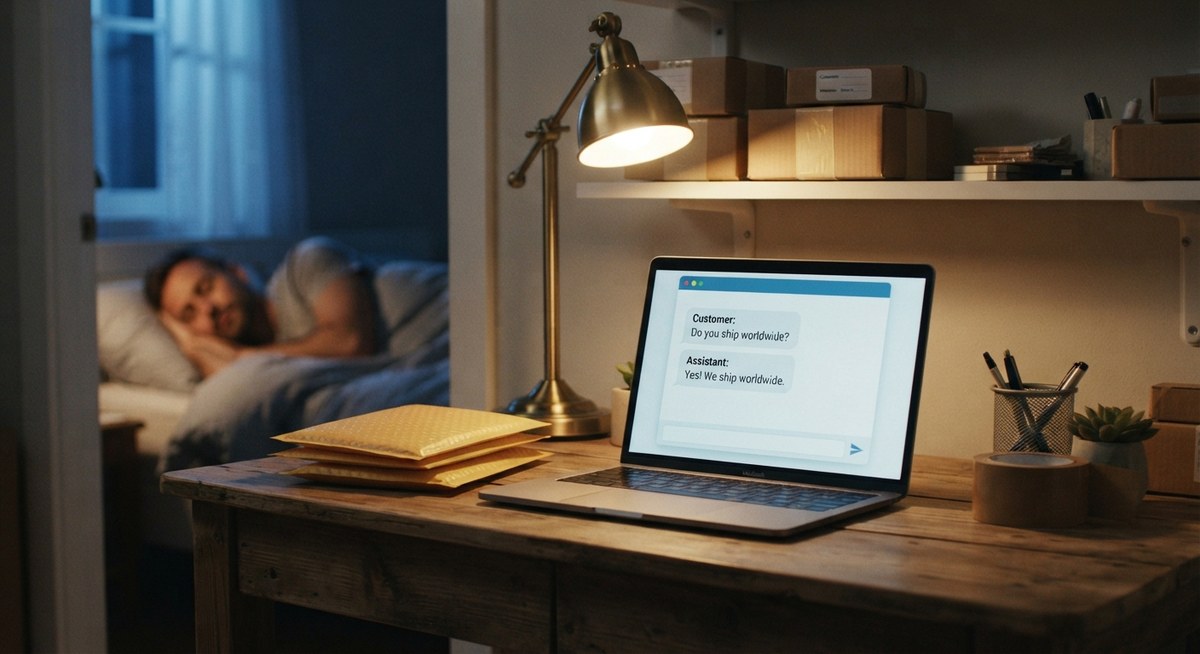
Imagine it's 3:14 AM on a Sunday. You're fast asleep. Halfway across the world, a curious visitor lands on your website, reads your latest blog post and decides to subscribe to your newsletter.
In the old days of manual marketing, that new subscriber would hear nothing. They'd feel ignored and probably forget who you were by sunrise. Today, a friendly, tailored welcome can land in their inbox within seconds.
That's the power of an automated welcome sequence. It keeps your brand active around the clock, building relationships and guiding people toward a purchase while you sleep.
- Welcome emails usually get much higher open rates than regular newsletters, because interest is at its peak.
- A simple four-email sequence can deliver value, tell your story, prove results and make an offer.
- Space the emails out over about a week so you build trust before you ask for anything.
- Pick a tool with a visual automation builder, write like a person and test everything before going live.
Why the Welcome Email Is Your Highest-Stakes Asset
First impressions form fast. Industry reports consistently find that welcome emails get much higher open rates than standard newsletters, often several times higher. The reason is simple: interest is at its peak. When someone hands over their email address, they're raising a hand and saying, "I'm listening. Tell me more."
If you answer that moment with silence, you lose momentum. A good automated welcome sequence works like a digital concierge. It greets new subscribers warmly, shows who you are, delivers value right away and guides them toward your offer, without a single manual keystroke from you.
The best time to talk to a new subscriber is the minute they say hello.
The Anatomy of a High-Converting 4-Part Welcome Sequence
Automation doesn't mean bombarding new subscribers with sales pitches. A good sequence follows a simple arc: help first, ask later.
A simple four-email welcome sequence
1. Instant welcome
When it goes out: Immediately after signup
Its job: Deliver what you promised and set expectations
2. Your story
When it goes out: 1 day later
Its job: Show the people and the "why" behind the brand
3. Value and proof
When it goes out: 2 days after email 2
Its job: Share your best content and a customer success story
4. Gentle offer
When it goes out: 3 days after email 3
Its job: Invite them to buy, book or start a trial
Email 1: Instant gratification and setting expectations
Deliver whatever brought them to your list, such as a guide, a discount or a checklist, and introduce your voice. Keep it short and friendly. Tell them what kind of emails to expect, and ask them to add your address to their contacts so future emails don't land in spam.
"Hi {{first_name}}, thanks for joining! Your checklist is right here. Over the next week I'll send you three short emails with my best tips. No spam, ever. Reply anytime, I read every message."
Email 2: The origin story and core philosophy
People buy from people, not faceless companies. Share the "why" behind your business. What frustration or gap in the market made you start? A little honesty turns a cold subscriber into someone who cares about what you're building.
Email 3: Deep value and social proof
Link to your single best piece of content, tutorial or case study. Add a short success story from a real customer so readers can see what's possible.
Email 4: The low-friction call to action
Now guide them toward your main offer, whether that's a purchase, a consultation or a software trial. A welcome discount or a bonus just for new subscribers makes saying yes easier.
How Marcus Scaled His SaaS Onboarding
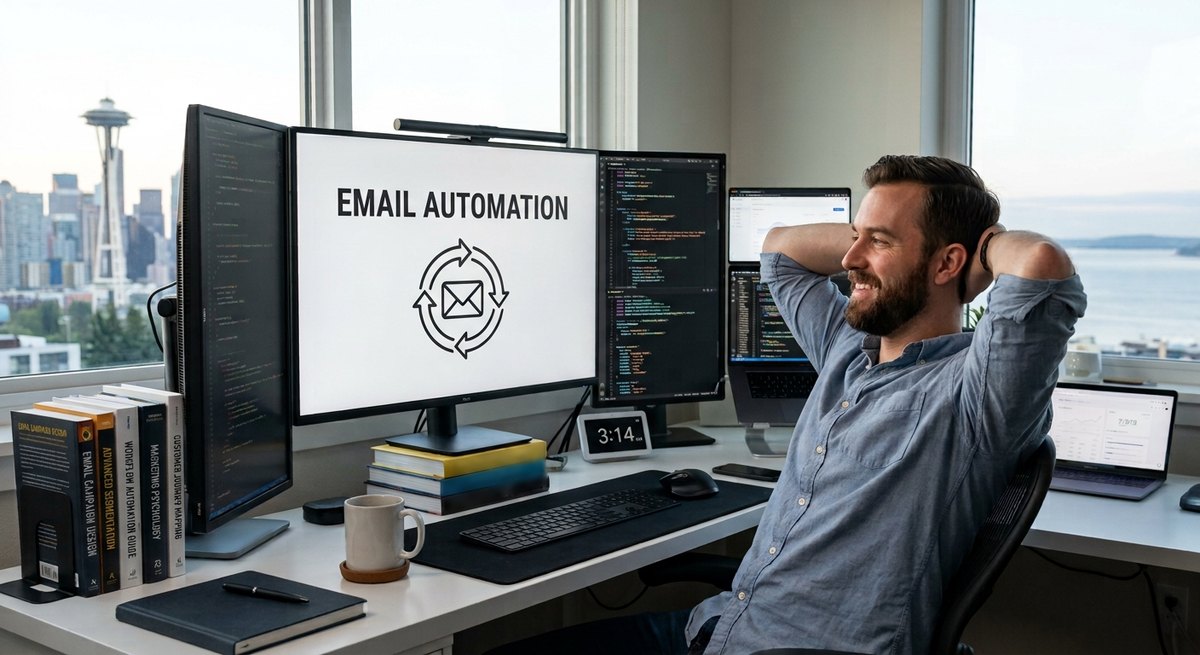
To see this in action, meet Marcus, an independent software developer in Seattle who built a productivity tool for remote teams. At first he handled every signup by hand, sending a personal email to each new user. Once he passed 500 accounts, he was spending three hours every evening in his inbox, answering the same onboarding questions again and again.
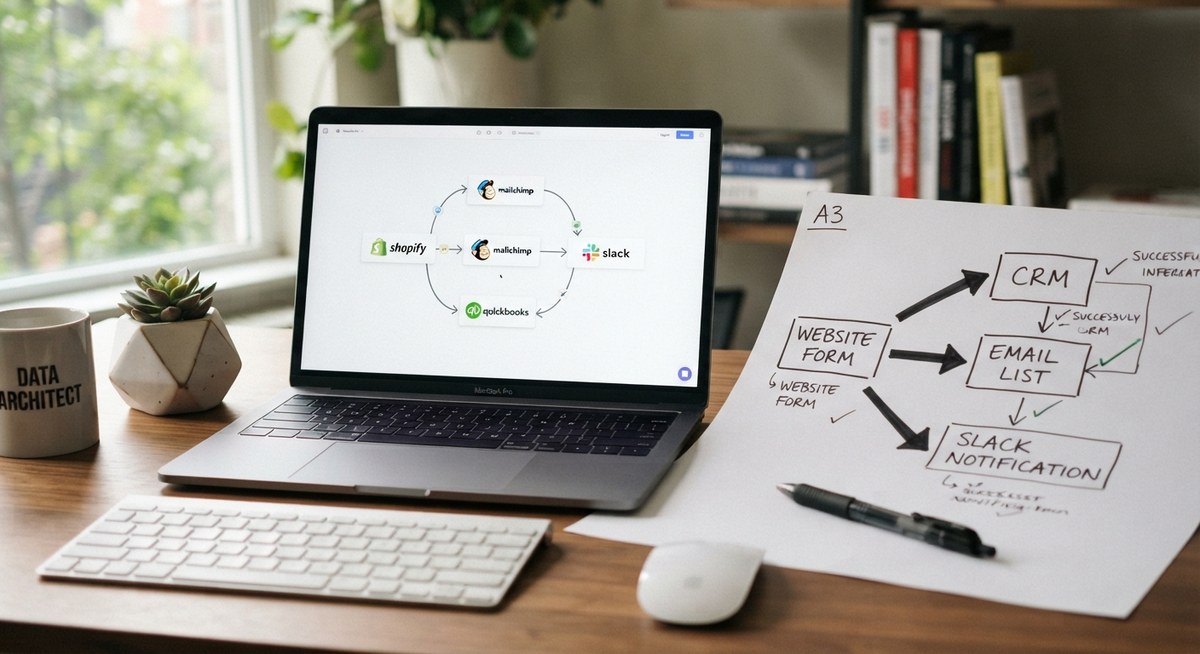
Frustrated by the bottleneck, Marcus mapped out a four-part automated welcome sequence in an email marketing platform. He set triggers that fired the moment someone registered, guiding new users through tutorials, highlighting key features and sharing short video walkthroughs.
"Moving to a 24/7 automated sequence completely changed my business," Marcus says. "My user activation rate jumped by 32% in the first month, because people got guidance the minute they created their account instead of waiting hours for me to wake up."
By letting software handle the repetitive work, Marcus freed up many hours every week for product development and growth.
Step-by-Step Guide to Launching Your Automated Workflow
Step 1: Choose your email platform
Pick a reliable email service provider with a visual automation builder and tagging, such as Kit (formerly ConvertKit), ActiveCampaign or Mailchimp.
Step 2: Segment your audience
If you sell several products or serve different types of customers, create separate welcome tracks so each person gets content that fits their interests.
Step 3: Write conversationally
Write as if you're talking to one person across a coffee table. Skip the corporate jargon and stiff phrases.
Step 4: Test before you go live
Send test emails to yourself and check for broken links, typos, how it looks on a phone and whether personalization tags like {{first_name}} fill in correctly.
Mistakes to Avoid
- Selling in the first email. Deliver what you promised first. The offer can wait a few days.
- Sending too much, too fast. Four emails in a week is plenty for most audiences.
- Hiding the unsubscribe link. Make it easy to find. It's required by email laws in many countries, and it keeps your list healthy.
- Setting it and forgetting it. Check open and click rates every month and improve the weakest email.
Conclusion
Your digital storefront never closes. People in London, Tokyo, New York and Sydney are visiting your pages at every hour of the day and night.
With a thoughtful automated welcome sequence, every new subscriber gets a warm, helpful first experience instantly. Step away from manual inbox work, let the system do the greeting, and watch engagement grow around the clock.
Frequently Asked Questions
What is a welcome email sequence?
It's a short series of automated emails sent to new subscribers over their first days on your list. It introduces your brand, delivers value and leads to an offer.
How many emails should a welcome sequence have?
Three to five emails works well for most businesses. Four emails over about a week gives you room to help, build trust and make an offer without overwhelming people.
When should the first welcome email be sent?
Immediately after someone signs up. That's when interest is highest, so a delay means lost attention.
Which tools can automate a welcome sequence?
Most email platforms can, including Kit, ActiveCampaign and Mailchimp. Look for a visual automation builder, tags and easy testing.
Should I sell in my welcome emails?
Yes, but not first. Lead with value and your story, then make a clear, low-pressure offer near the end of the sequence.