Chris owns a small gym. For years, he spent money on flyers, social media ads and an occasional discount. One day, he noticed something obvious: nearly half of his best members had joined because a friend brought them in.
He'd never done anything to encourage it. So he started a simple program: if a member brought a friend who signed up, both got a free month of personal training sessions. Within a quarter, referrals became his cheapest and most reliable source of new members.
Chris had discovered what many fast-growing companies already know: your customers can be your best sales team, if you give them a reason and a way to do it.
- People trust recommendations from friends more than advertising, and referred customers often arrive already convinced.
- Dropbox gave extra storage to both the person referring and the person joining. The program is widely credited for its early growth.
- Harry's ran a pre-launch campaign in 2013 with rewards at 5, 25 and 50 referrals, reportedly collecting 100,000 email addresses in its first week.
- The best programs reward both sides, are simple to share and happen right after a great experience.
- Make sure the reward costs less than what it costs you to win a customer another way.
Why Referrals Work
A referral solves a problem advertising struggles with: trust. When a friend says "you should try this," you're not hearing a company talking about itself. You're hearing a person you trust.
Referred customers also tend to arrive with context. They already know what the product does and why a friend liked it, so there's less convincing to do. A referral program simply turns what already happens naturally into something you can encourage and measure.
It also builds on the loyalty you create through great service. Referrals are a natural result of keeping your customers happy and the same logic behind social proof.
Dropbox: Reward Both Sides
When Dropbox was young, it offered extra storage space to both the person who invited a friend and the friend who joined. According to Wikipedia, today's free users still earn 500 MB for each referred person who starts using the service, up to a limit.
The reward was clever for one reason: it was the product itself. Extra storage cost Dropbox little, but it was valuable to users. And because both sides won, sharing felt generous, not pushy.
A frequently cited figure says Dropbox grew from 100,000 to 4 million users in about 15 months, with referrals playing a major role. Be aware that this number comes mostly from marketing blogs, including referral-software vendors, and referrals weren't the only factor. The reliable lesson is the design: a reward that costs you little, is useful to customers and benefits both people.
Harry's: Rewards for Reaching Milestones
The razor company Harry's used a different structure before it launched in 2013. People who joined its email list received a personal link to share. According to a case study by Prefinery, the rewards grew with each milestone: a free shaving cream at 5 referrals, a shaving set at 25 and a year of blades at 50. The company reportedly collected 100,000 email addresses in the first week.
The tiered rewards added a game-like feeling: every successful referral moved you closer to something bigger. Note that this source is from a company selling referral software, so treat the numbers as indicative, not exact.
Designing Your Program
1. Reward both sides
"Give a gift, get a gift" feels generous. Customers are more comfortable sharing when their friend benefits too.
2. Choose a reward that fits
Store credit, a free product, an upgrade or a donation can all work. Pick something your customers actually want that costs you little to give.
3. Ask at the right moment
Invite referrals right after a happy moment: a delivery that arrives early, a result achieved, a five-star review. Don't ask a stranger who hasn't used the product yet.
4. Make sharing effortless
Give each customer a personal link or code they can send in one tap. Every extra step loses people.
5. Track it
Use unique codes or links so you know who referred whom, and thank referrers promptly. You can add it to your automated emails.
6. Keep the rules clear
State what counts as a referral, when rewards arrive and any limits. Confusion kills trust.
A Referral Message That Works
Hi Laura,
I'm so glad you loved your first month with us. If you know someone who'd enjoy this too, here's your personal link. When they join, you'll both get a free month of group classes.
[Your personal referral link]
No pressure at all. Thank you for being part of our community.
Chris
Notice the tone: grateful, specific and low pressure. It matches the style we recommend in writing copy that talks to "you".
Pitfalls to Avoid
- Asking too early. Customers need a good experience before they'll recommend you.
- Rewards that are too small, or too complicated. If customers must calculate points to figure out the benefit, they won't bother.
- Ignoring abuse. People may create fake accounts to collect rewards. Set sensible limits and review unusual patterns.
- Mixing referrals with reviews. Many review platforms and consumer regulators have rules against rewarding reviews, so keep referral rewards separate from reviews and check the rules where you operate.
- Forgetting disclosure. If customers are paid or rewarded for promoting you publicly, they may need to say so. Check local advertising rules.
Check the Math First
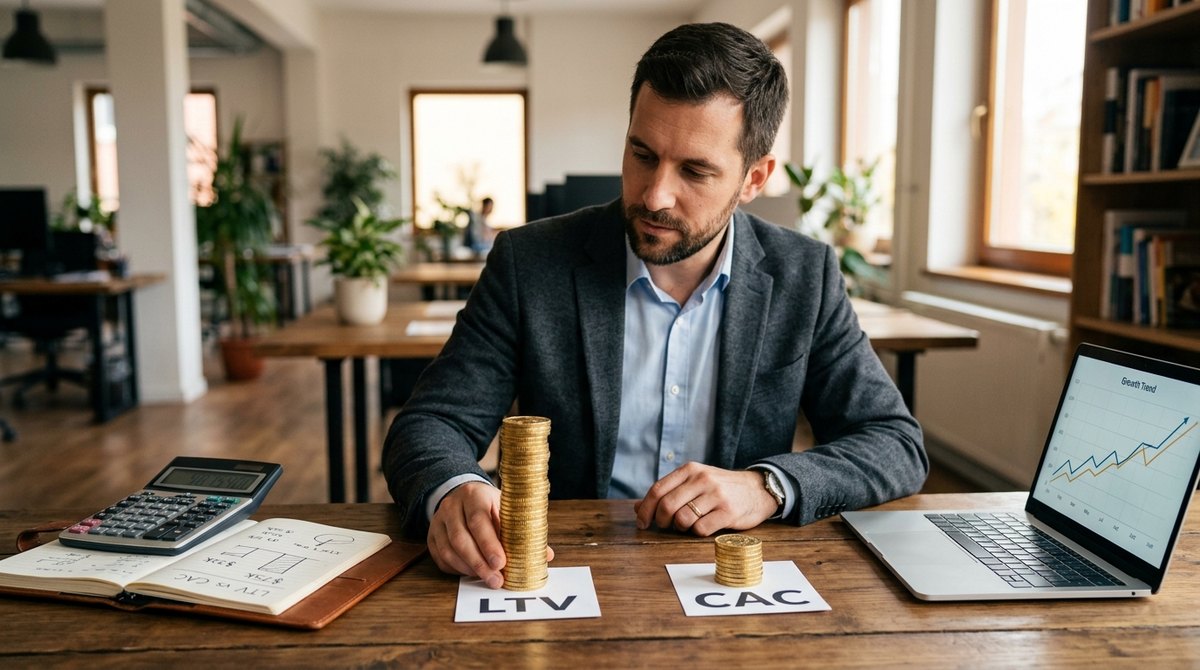
A referral reward is a form of acquisition cost. Before you launch, compare it with what you spend to win a customer another way. If a new customer is worth $300 over their lifetime and ads cost you $60 per customer, a $20 reward is a bargain. If the reward is higher than your profit on a typical sale, adjust it.
Our guide to unit economics shows how to calculate these numbers, and our article on gift cards explains another way customers help bring in new ones. It also pairs well with giving real value for free, because people share what feels generous.
Conclusion: Make Sharing Easy and Rewarding
Chris now sends a thank-you email with a referral link to every member who completes their first month. It costs him a few free sessions, and it brings in members who stay longer because a friend is already there.
This week, choose one reward, write one short message and send it to your five happiest customers. Your customers already talk about you. A referral program just gives them a reason to do it more.
Frequently Asked Questions
What is a referral program?
A referral program rewards customers for recommending your business to others. Rewards can be discounts, credits, free products or other perks.
Should both sides get a reward?
Often yes. Rewarding both the referrer and the new customer makes sharing feel generous and gives the friend a reason to act.
How did Dropbox use referrals?
Dropbox offered extra storage to both the person referring and the person who joined. The reward cost little but was valuable, and the program is widely credited for helping early growth.
When should I ask customers for a referral?
Right after a positive experience, such as a successful delivery, a good result or a five-star review. Avoid asking before they've used the product.
How do I know if the reward is affordable?
Compare it with what you pay to acquire a customer another way and with their lifetime value. The reward should be lower than your profit from the new customer.