
Imagine you order a pair of shoes online. You expect them to arrive in about five days. Instead, they show up the next morning, with no extra charge. You didn't expect it. You didn't pay for it. And you'll probably tell someone about it.
That small feeling of "wow, that's more than I expected" is one of the strongest forces in business. It's often called surprise and delight, and it's how ordinary customers become loyal fans.
- Meeting expectations keeps customers satisfied. Exceeding them, in a small and unexpected way, makes them remember you and talk about you.
- People tend to judge an experience by its most intense moment and its end, a pattern psychologists call the peak-end rule.
- Famous examples include Zappos' reported shipping upgrades, a Ritz-Carlton's traveling giraffe and Chewy's pet portraits and flowers.
- Delight doesn't need a big budget. A handwritten note, a free sample or an unexpected follow-up can be enough.
- Fix the basics first. No surprise can make up for a late or wrong order.
Why Meeting Expectations Isn't Enough
Customers arrive with an unspoken expectation: you'll deliver what you promised. If you do, they feel nothing in particular. They're satisfied, but satisfied customers leave for a slightly cheaper option without a second thought.
The experience changes when you go beyond the promise. Psychologists, including Nobel laureate Daniel Kahneman and his colleagues, have shown that people don't remember experiences as a neat average. They remember the peak, the most intense moment, and the end. This is known as the peak-end rule.
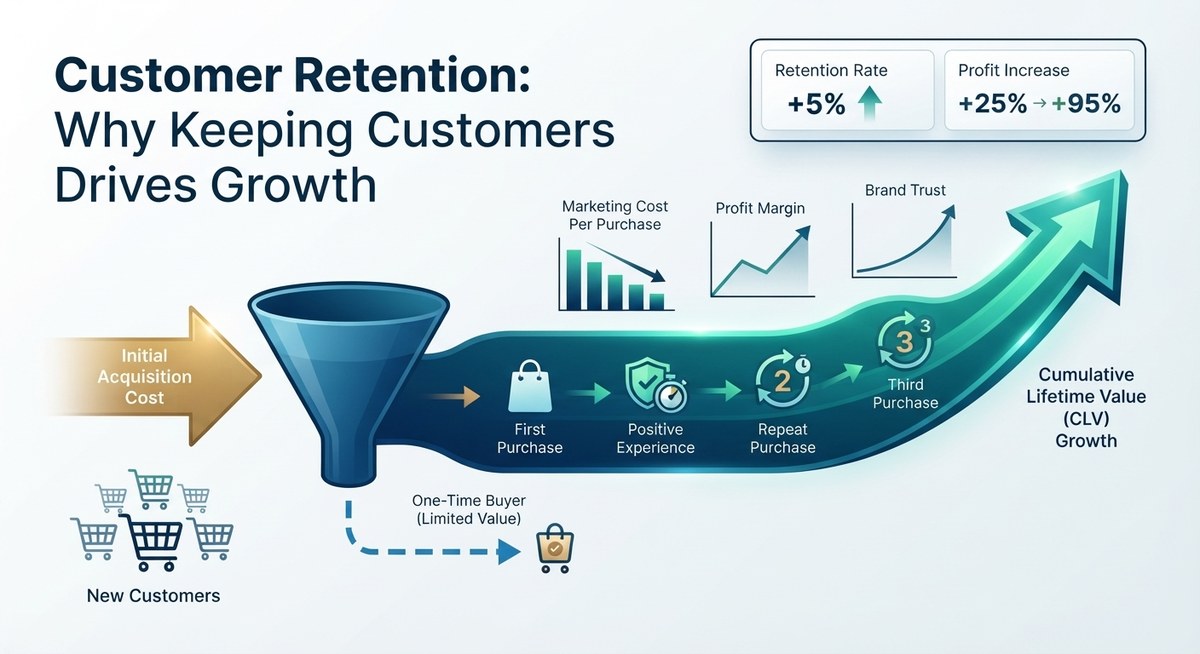
So a small, positive peak, like an unexpected gift or a kind gesture, can shape how a whole experience is remembered. It's one of the reasons we recommend investing in customer retention and not only in winning new customers.
The Giraffe on Vacation
One of the most retold customer service stories involves a stuffed giraffe. According to a 2012 account on the Jack Morton blog, a family left their young son's beloved toy giraffe, Joshie, behind at a Ritz-Carlton hotel. The father told his son that Joshie was simply taking an extra-long vacation.
The hotel's staff took that story and ran with it. They mailed Joshie home with a photo album showing him by the pool, at the spa, driving a golf cart and even working a shift in the loss-prevention office, complete with a staff badge. The family got far more than a lost toy back. They got a story they'd keep telling.
It's worth noting that this tale has spread widely, so details vary between tellings. But the lesson holds either way: the hotel responded to a small problem with creativity and care, and a small gesture became a big memory.
The Zappos Surprise
The online shoe retailer Zappos built its early reputation on service. As described in a SitePoint profile, the company offered free shipping and a 365-day return window with free return shipping. Reportedly, many customers who were quoted a few days for delivery were quietly upgraded to overnight shipping and received their orders the next day.
The same profile described a call center where employees worked without scripts, quotas or call-time limits, with calls sometimes lasting hours. The idea was that every conversation was a branding opportunity, not a cost to cut.
Policies at large companies change over time, so treat these as lessons from a particular period, not a current promise. What matters is the principle: quote conservatively, deliver generously.
Chewy and the Flowers
In June 2022, a woman named Anna Brose shared on Twitter that after her dog died, the pet retailer Chewy refunded an unopened bag of food and told her to donate it instead of returning it. The post went viral, and other customers replied with similar stories of flowers, personal letters and hand-painted pet portraits arriving at their doors, as Fortune reported.
Chewy said these gestures reflect its culture of supporting customers through important moments in their pets' lives. Interestingly, one of its customer service leaders told the Boston Globe that nobody was sure when the practice began, adding that its origins "may be folklore at this point." In other words, it wasn't a formula. It grew from people paying attention and caring.
That's the real lesson. The most powerful surprises can't be copied from a checklist. They come from a team that notices what matters to the customer, as we explain in our guide to humanizing your brand.
Surprise Ideas for Small Budgets
You don't need a giant company to delight people. Here are ideas that cost very little:
A handwritten note
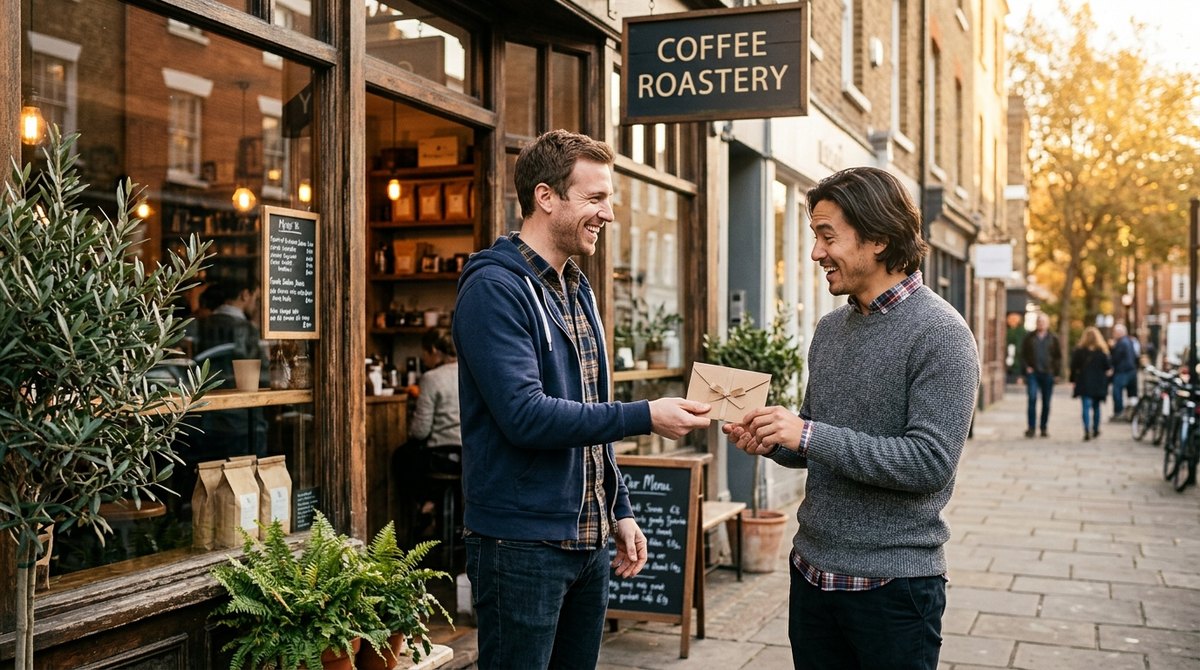
A short, genuine thank-you in the package or a personal message after a purchase. Mention something specific from their order.
A small free extra
A sample of a new product, a sticker or a small bonus item. Choose something relevant that costs you little but feels thoughtful.
An unexpected upgrade
Faster delivery, a larger size or an extra session for a loyal client. Do it quietly and let them discover it.
A proactive heads-up
If something is delayed, tell the customer before they ask, and offer a small apology. Turning a problem into a good experience is powerful.
Remembering moments
A birthday message, an anniversary of their first order or a note when they hit a milestone. Even a simple email can feel special if it's sincere.
A gift they can pass on
Include a small gift card they can share with a friend. It surprises the customer and introduces you to someone new. We explain how in gift cards let your customers find your next customers.
Five Rules for Real Delight
- Fix the basics first. If orders arrive late or wrong, a free sticker won't help. Delight works on top of a reliable experience.
- Keep it unexpected. If you advertise the extra, it becomes part of the promise. The surprise is the point.
- Make it personal. A generic freebie is nice. A gesture that shows you noticed something specific is memorable.
- Set a small budget. Decide how much you can spend per customer, for example $1 to $3 per order, and check it against your numbers. Our article on unit economics shows how to do that.
- Be consistent, not constant. Surprises that happen every time become expectations. Keep them occasional, and always sincere.
Conclusion: Small Gestures, Long Memories
Customers rarely remember a perfectly average experience. They remember the moments when a business went a little further than it had to. That's what gets shared, repeated and rewarded with loyalty.
This week, choose one small surprise you can add to your customer journey, like a note, a sample or a quick proactive message. Try it with your next ten customers and see what happens. Promise a little, deliver a little more.
Frequently Asked Questions
What does 'surprise and delight' mean in business?
Giving customers something small and unexpected that goes beyond what they paid for or expected, so they feel valued and remember the experience.
Does surprise and delight really increase loyalty?
It often helps, because people remember the peak and the end of an experience. A genuine, thoughtful surprise can make a customer more likely to return and recommend you.
How much should I spend on surprising customers?
Keep it small and measurable, for example a dollar or two per order, and check the cost against your profit per customer.
Should I tell customers about the surprise in advance?
No. If it's advertised, it becomes an expectation. The value of the gesture comes from being unexpected.
What if my customers are online only?
You can still delight them with handwritten notes in packages, fast replies, proactive updates, personalized emails or small digital bonuses.