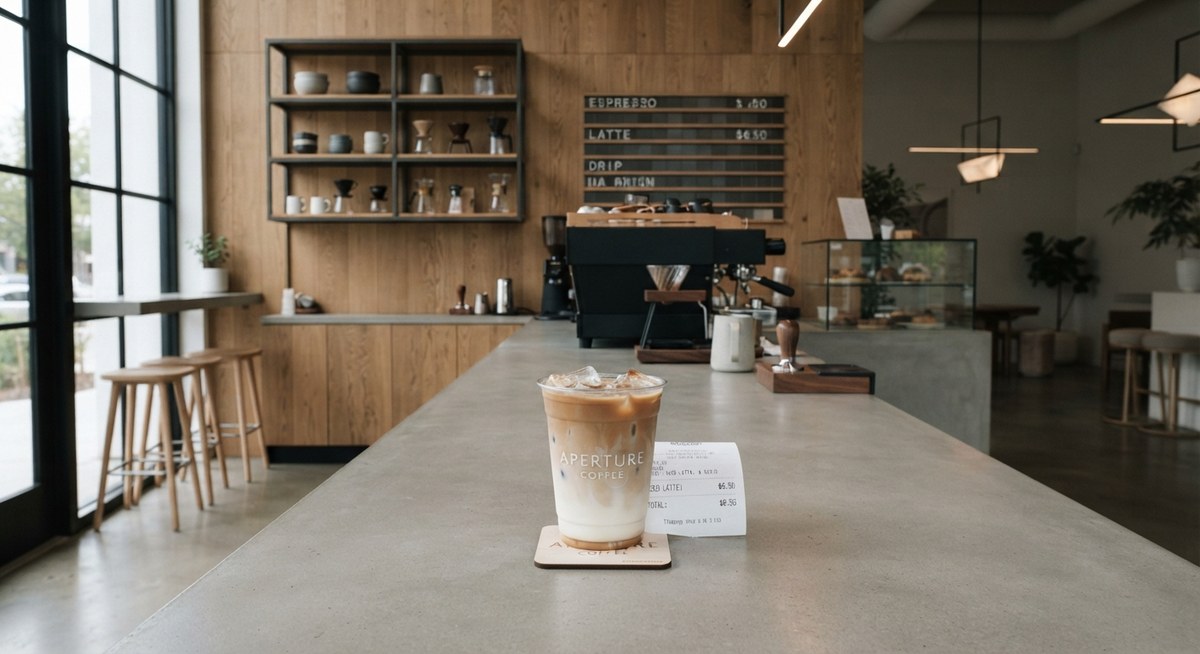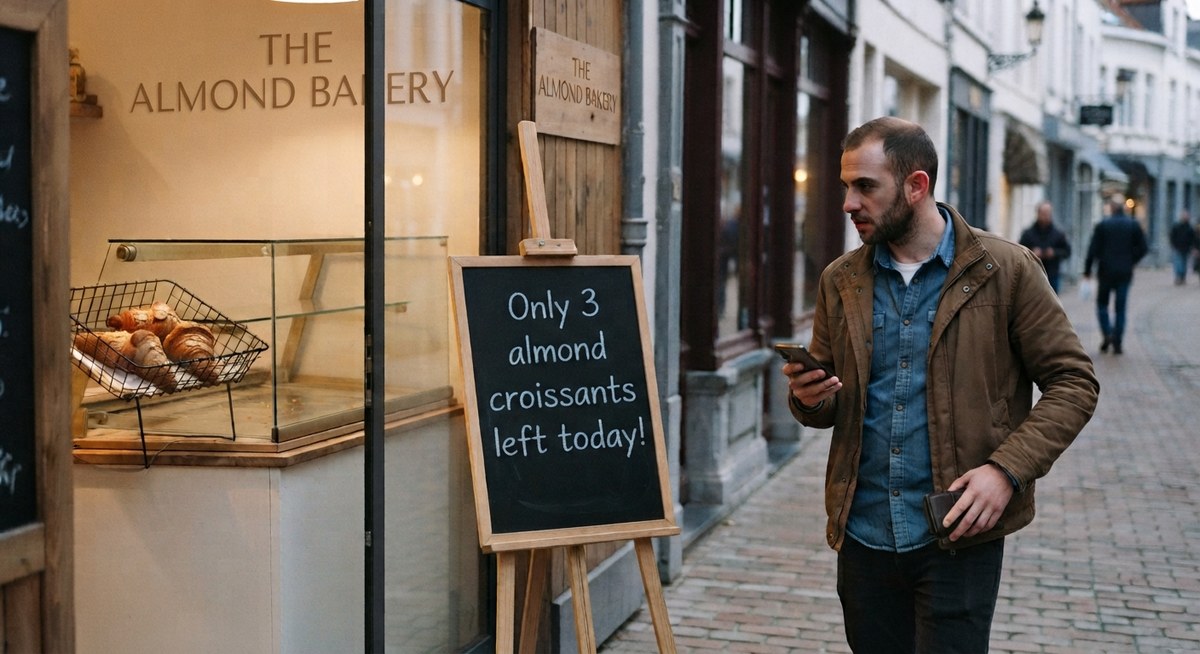
Picture this. You're scrolling through your social feed and an ad pops up for a complete, master-level business coaching program. It promises to transform your career, streamline your operations and grow your revenue. The price? Five hundred dollars.
Even if the value is real, a wave of doubt hits you. Is this a scam? Will it work for me? Do I even have time for this? You close the tab.
Now imagine something different. A creator you trust offers a 30-page playbook that solves one specific problem in your business, for seven dollars. There's nothing heavy to think about. You pay, download the PDF, and within twenty minutes you've used a tactic that saves you hours of work.
In that moment, something shifts. You're no longer a skeptical browser. You're a paying customer.
That's why low-price products drive customer growth. They remove the fear of risk and build trust quickly. By lowering the entry barrier, smart businesses turn cold traffic into loyal customers without blowing their marketing budgets.
- Big first purchases trigger fear of loss. A small, low-risk offer gets people past it.
- The goal of an entry product isn't profit. It's turning a stranger into a customer who trusts you.
- Dollar Shave Club and Harry's used cheap starter offers to win customers who then stayed for refills.
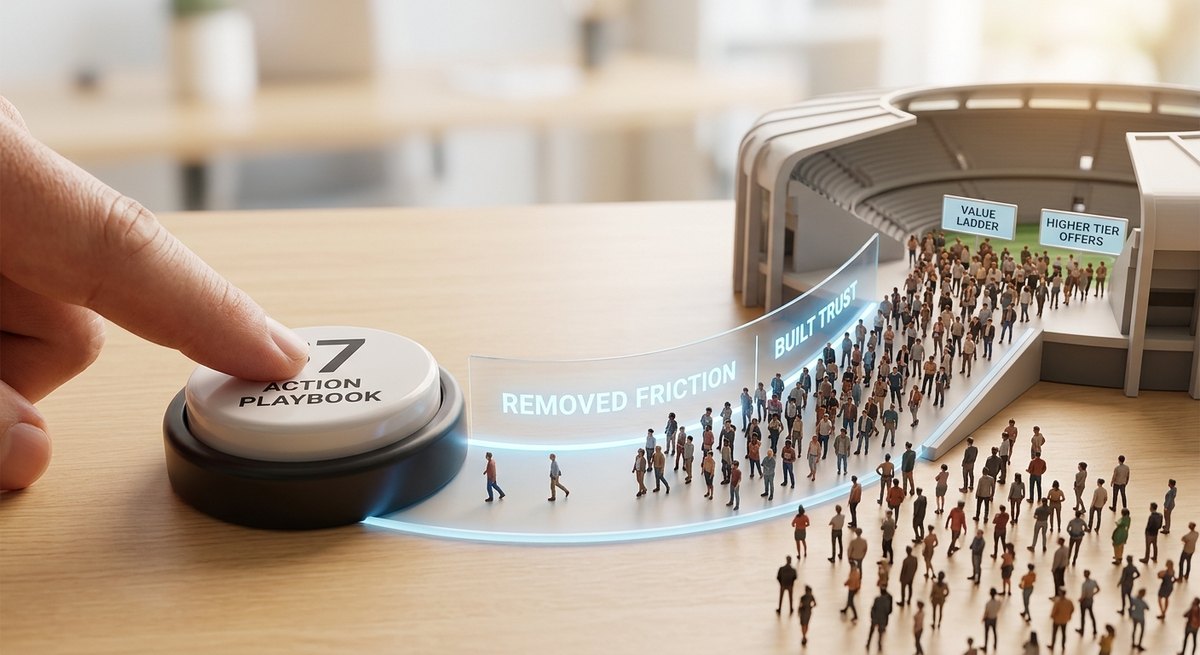
- An entry product works best as the first step of a value ladder that leads to your core offer.
- Quality, relevance and follow-up decide whether a cheap first sale becomes a long-term customer.
The Psychological Wall of Modern Commerce
Every online business faces the same invisible wall. People don't know you, they've been burned by bad purchases before, and they're busy. Asking for a big commitment on the first visit means asking them to climb that wall in one jump.
A low-price product is a step stool. It doesn't ask for a leap of faith. It asks for a small, easy yes, and that first yes changes how the customer sees everything you offer next.
You aren't asking for a marriage on the first date. You're offering to buy them a cup of coffee.
The Psychology of Friction: Why High Barriers Kill Growth
We're wired to avoid losses. Research by psychologists Daniel Kahneman and Amos Tversky suggests that losing money feels roughly twice as painful as gaining the same amount feels good. When a brand asks for a large payment upfront, it sets off that defensive alarm.
Three things make it worse:
Decision fatigue
People see a huge number of marketing messages every day. Asking them to weigh a high-ticket offer right away adds one more heavy decision to an already crowded mind.
The trust gap
Trust is the hardest currency to earn online. Asking a stranger for a large sum before you've proven anything is a recipe for abandoned carts.
The risk-reversal problem
High prices demand strong guarantees, complicated refund policies and harder sales pitches, and all of that can make a brand feel pushy.
A low-entry product, often called a tripwire or micro-offer, sidesteps those defenses. The risk is so small that the buyer doesn't need to be convinced. They only need to be curious.
Anatomy of a Low-Barrier Entry: How It Works
A low-price product isn't about cheapening your brand or selling poor-quality goods. It's a strategic acquisition tool. The main job of a $5, $10 or $19 product isn't front-end profit. It's turning visitors into customers and starting a buying habit.
When someone makes that first purchase, three things happen behind the scenes:
What a small first purchase changes
Payment friction drops
Many checkouts can securely remember payment details, so a second purchase takes fewer steps and less thought.
You learn who your buyers are
You now know who's willing to pay, not just who's browsing, so your follow-up can be far more relevant.
Trust starts to build
Once people experience your quality firsthand, your bigger offers feel much less risky.
Real-World Examples
Dollar Shave Club and Harry's
For years, the razor aisle was dominated by big brands selling expensive cartridges, often locked behind plastic in supermarkets. Then two direct-to-consumer brands changed the game with low-cost ways in.
Dollar Shave Club launched in 2012 with a simple promise: razors delivered to your door for a dollar a month, plus shipping. A funny, low-budget launch video went viral, and the company grew so fast that Unilever bought it in 2016 for a reported $1 billion.
Harry's took a similar path. It offered a low-cost trial set, at times for little more than the cost of shipping, with a quality handle and blades. The starter kit wasn't where the money was made. The real business came from customers who liked the shave and stayed for regular refills.
The first sale wasn't the business. The relationship it started was.
Streaming and software
Spotify grew with a free, ad-supported tier and has often run promotions such as several months of Premium for a very low price. Netflix spent years offering a free first month, and today it offers a lower-priced plan with ads. In each case the first step costs little or nothing, and many people who start there become long-term paying subscribers.
Building the Value Ladder: From Micro-Offer to High-Ticket
A low-price product can't live on its own. It works best as part of a value ladder, a concept popularized by marketer Russell Brunson. The ladder maps a customer's journey from an inexpensive first step to your most complete, highest-value offer.
A simple four-step value ladder (typical price ranges)
1. Free lead magnet
What it is: An e-book, checklist or webinar
Typical price: Free, in exchange for an email
2. Low-entry product
What it is: A toolkit, mini-course or starter kit. This is where trust is cemented.
Typical price: $5 to $27
3. Core offer
What it is: Your flagship product, subscription or full program
Typical price: $97 to $497
4. Premium offer
What it is: Consulting, coaching or done-for-you services
Typical price: $1,000 and up
Get step 2 right and the whole ladder moves. Without a smooth, low-cost entry point, feeding people into your core and premium offers becomes an expensive uphill battle against rising ad costs.
Common Pitfalls to Avoid
Lowering the entry barrier is powerful, but execution matters. Watch out for these three mistakes:
Mistake 1: Cutting corners on quality
A cheap product still has to deliver more value than it costs. If someone buys a $7 guide and finds it useless, they won't trust you again. Treat your lowest-priced item with the same care as your most expensive one.
Mistake 2: Attracting the wrong audience
Make sure your entry product connects directly to your core business. If you sell marketing software, a cheap guide on a hobby unrelated to marketing will attract people who will never buy your software.
Mistake 3: Forgetting the follow-up
The sale is only the beginning. A welcome email sequence and simple onboarding should guide each buyer to the next logical step.
Conclusion: The Smart Path to Sustainable Growth
Winning new customers keeps getting more expensive. Relying only on high-ticket pitches to cold audiences is tiring and financially risky.
Flip the script. Offer a small, genuinely useful entry product, and you remove the fear, build trust and open the door to long customer relationships. Start small, deliver real value, and let each happy customer climb to the next step.
Frequently Asked Questions
What is a tripwire product?
It's a low-priced offer, often between $5 and $27, designed to turn a visitor into a paying customer. Its main goal is building trust, not making a big profit.
Why do low-price products work?
They lower the perceived risk of buying. Because losses feel stronger than gains, a small price makes it much easier for a stranger to say yes for the first time.
What is a value ladder?
It's a sequence of offers that rise in price and value, from a free resource to a low-cost product, then a core offer and finally a premium service.
Will a cheap product hurt my brand?
Not if it's genuinely useful and connected to your main offer. A low price only hurts when the product feels low quality or unrelated.
What should happen after the first purchase?
Follow up with helpful emails and onboarding that show buyers how to get results and introduce the next step on your value ladder.