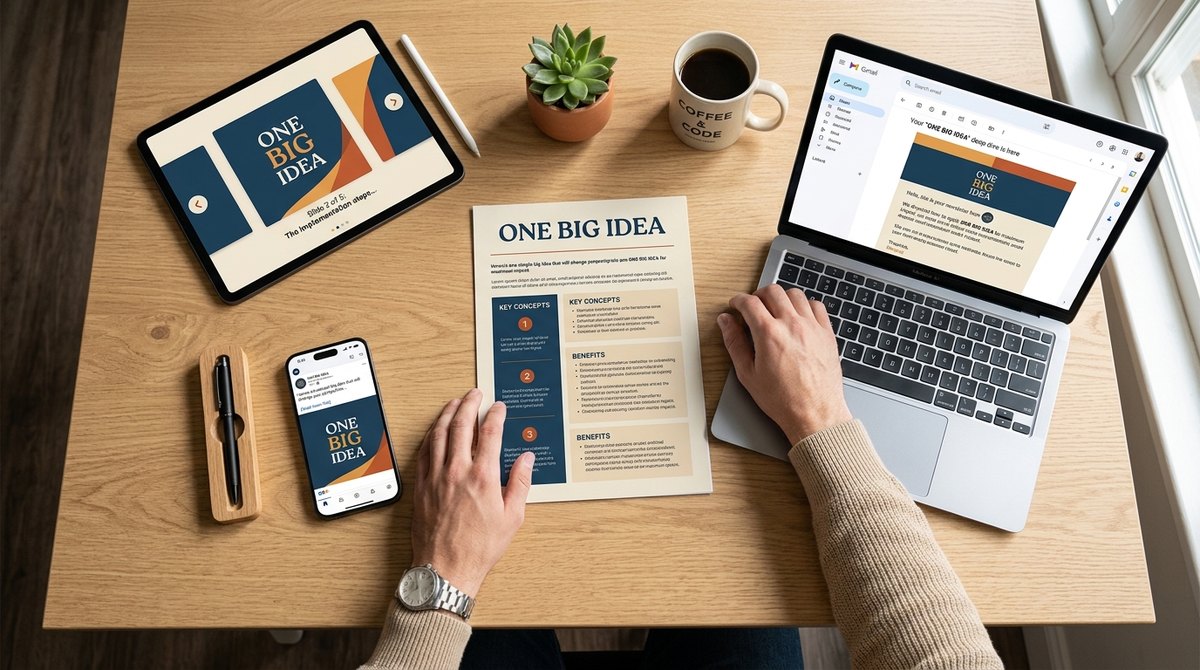
Your audience probably does not spend its entire day on one platform. A potential customer might discover your idea in a short video, search for a comparison a week later, read your website from a laptop, and finally decide to subscribe to your emails. If you only look at the last click, that journey can seem much simpler than it really was.
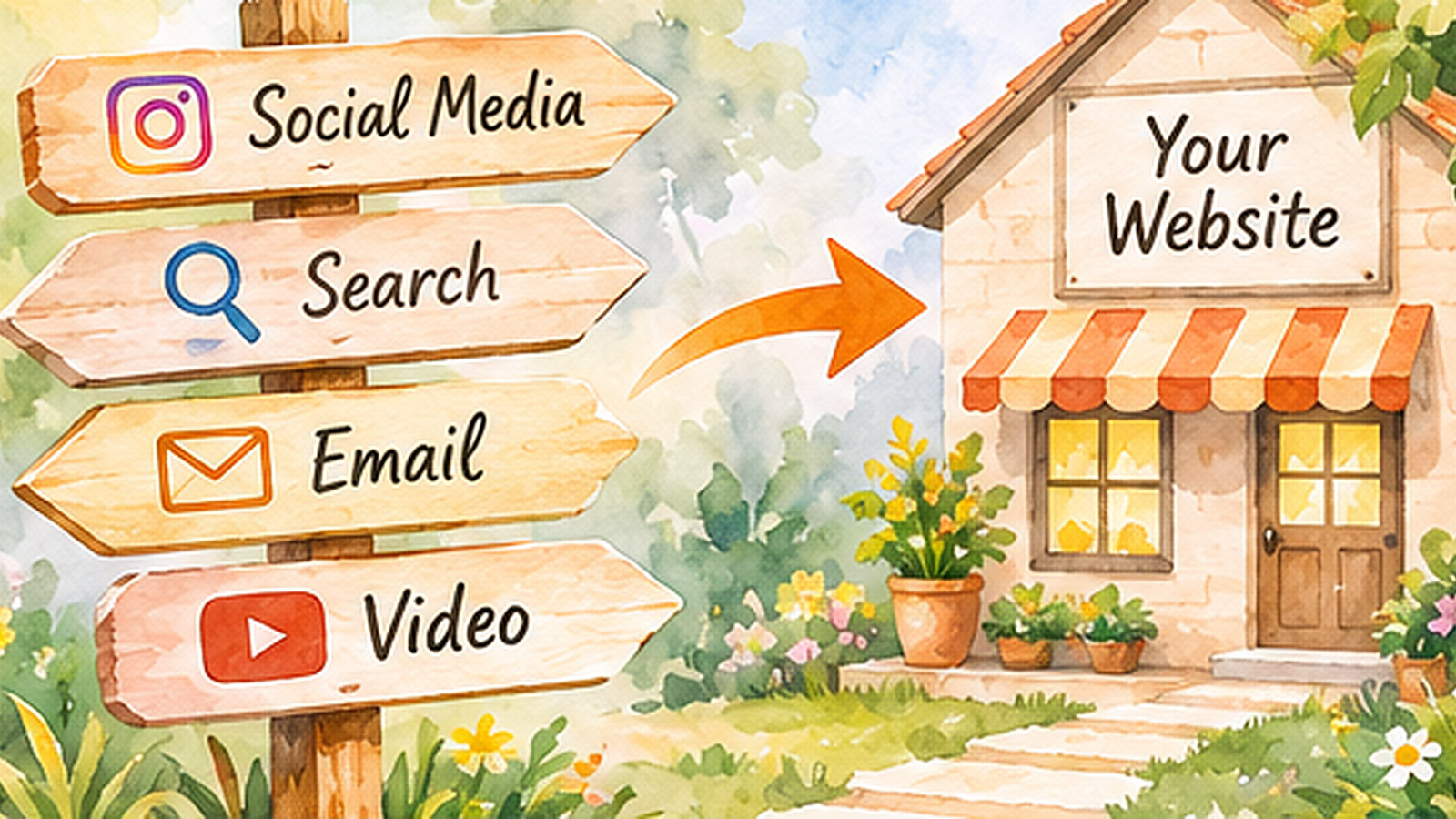
That is where omnichannel presence becomes useful. Show up in the places where your audience already spends time, make the experience feel consistent, and give people a sensible path back to an asset you control—usually your website, email list, customer account, or community. You do not need to be everywhere at once, and posting the same thing everywhere is not a strategy.
The most practical goal is not to win an algorithm for a weekend. It is to turn short-lived attention into a relationship that can survive a platform change. That means combining discovery channels with clear next steps, useful pages, permission-based email, and thoughtful measurement.
- Start with the customer’s real needs, not flashy activity metrics.
- Use clear evidence and sensible measurement before making claims.
- Set a repeatable process you can maintain with a small team.
- Use the linked examples and ChiefAdvice resources to take the next step.
What Omnichannel Marketing Really Means
Multichannel marketing means using more than one place to reach people. Omnichannel takes a step further: those places work as connected parts of one customer experience. A video teaches a concept, a website expands the answer, and an email series helps the person put the concept into practice. The message is consistent even though the format changes.
Mailchimp’s guide to omnichannel measurement emphasizes mapping the customer journey and tracking how channels support each other rather than judging every channel separately. That distinction is important for a small business with limited time: a platform that generates few direct purchases may still introduce people who later search for your brand.
Discovery Channels Are Rented Attention; Owned Media Is Your Home Base
Social platforms are useful for finding people who have never heard of you. But they control the feed, recommendation rules, and much of the interaction. Even a loyal follower may not see every post. Your own website allows you to organize information in one place, while a permission-based email list offers a more direct way to maintain contact.
Be visible where people discover you. Build lasting connections where you own the experience.
Owned does not mean risk-free. Websites need hosting, security, accessibility, and maintenance. Email lists need consent, deliverability, privacy protections, and useful messages. Still, having assets you can maintain and improve is a more durable foundation than keeping your entire business inside one social profile.
Google’s SEO Starter Guide recommends useful, well-organized content and explains how promotion can help interested people discover your site. A helpful article is not simply a place to repeat a sales pitch. It should answer the question that brought someone there.
A Realistic Journey: From a Short Video to an Email Subscriber
Picture an independent stationery business. A customer sees a thirty-second weekly-planning tip on Instagram. Instead of sending viewers directly to a checkout page, the brand links to a useful guide showing three ways to plan a week. That page offers a free downloadable planner in exchange for an optional email signup. A follow-up email provides a second tip; later, a relevant product launch is shared with subscribers who chose to hear more.
That is an illustrative journey, not a claimed campaign result. Its strength is that every step delivers a useful reason to continue. The customer is not forced to leave one platform for another. They are offered something worth visiting and a transparent choice about future contact.
Six Steps to Build a Connected Omnichannel Strategy
1. Choose two discovery channels you can serve well
Look at where your actual customers ask questions. For a B2B service, search and LinkedIn might be sensible; for visual products, video or Pinterest may be stronger. Test assumptions with customer interviews rather than chasing every trend.
2. Give each channel a clear role
Short videos may introduce an idea; search pages explain it fully; emails help readers apply it; product pages support purchase decisions. Reusing an insight is smart, but format it for the audience and the moment instead of posting identical blocks everywhere.
3. Create a worthwhile destination on your website
A strong landing page answers one question, loads well on phones, and offers one sensible next action. Avoid making every visitor navigate your entire home page. Our guide on clear calls to action can help.
4. Offer an opt-in, not a trap
A helpful checklist, planner, guide, or product update can give people a reason to subscribe. Explain what you will send and let subscribers leave easily. Never buy an email list or quietly subscribe someone because they downloaded a file.
5. Keep the brand recognizable across touchpoints
Your tone, promise, product details, and support information should feel consistent. A visitor who moves from a social post to your website should not wonder whether they reached a different company. Read Brand Voice Consistency for practical examples.
6. Measure the journey, not only the first touch
Use campaign parameters where practical and track relevant actions such as qualified visits, email signups, returning visitors, enquiries, and sales. Avoid assuming one platform deserves all credit. Small datasets are noisy, so watch patterns over time.
What Real Brands and Platforms Can Teach Us
The important evidence is in how platforms define the connected experience. Mailchimp’s personalization guidance describes coordinating customer information and messages across touchpoints. This is a practical example of the logic behind omnichannel, not proof that a particular software purchase will increase revenue for your company.
Mailchimp’s automation overview also explains why connecting triggers and follow-up messages can reduce disconnected outreach. You can use that principle with simpler tools too: a content calendar, a website, and a well-managed email platform are enough to start. The expensive all-in-one stack can wait until you know what you actually need.
Watch Out for These Common Omnichannel Mistakes
1. Choosing platforms just because they are popular
A platform with millions of users will not help much if your actual customers are not there. Start with audience fit.
2. Leaving people without a useful next step
A video might perform well, but viewers will not know what to do next if the profile offers no relevant link or resource.
3. Asking for an email address before offering value
Earn the invitation to stay in touch by making the first interaction genuinely useful.
4. Confusing activity with business progress
Every platform reports impressive-looking numbers. Measure qualified visitors, useful enquiries, subscriptions, and customer actions—not just views.
Be especially careful with automation. Sending the same promotional message by email, text, and social media on the same day may feel “connected” to your team and exhausting to the customer. Use thoughtful frequency and segmentation, and respect channel preferences. Consistent experience is the goal; relentless repetition is not.
A Simple 30-Day Plan for a Small Business
1. Week 1: Audit and listen
Review your profiles, website, and signup paths. Ask a handful of customers where they discovered your business.
2. Week 2: Improve the destination
Strengthen one cornerstone website article and one focused landing page before sending more traffic their way.
3. Week 3: Connect the channels
Publish a small set of platform-appropriate posts that lead to that useful page, rather than copying the same message everywhere.
4. Week 4: Measure and adjust
Review signups, qualified enquiries, returning visits, and what visitors actually read. Use those findings to improve the next month.
If you already have helpful articles, connect them instead of creating new content for every post. Our guide to repurposing a single article can save time. A Marketing Content Planner, when available, can help coordinate the work. And a Marketing ROI Calculator, when available, can help you evaluate spending rather than celebrating reach alone.
The Bottom Line
Be discoverable where people already spend time, but give that attention a useful destination. Keep the message consistent, invite permission-based relationships, and measure what people do after the first click. You do not need to occupy every platform. You need a connected path that makes finding you easy and returning to you worthwhile.
Build a Simple Channel Map Before You Publish
Take one important topic and draw a short path through your channels. For instance, a search-friendly guide answers the detailed question, a social video presents one useful idea, an email offers a checklist, and a product page explains the next step. Each touchpoint should make sense on its own. Someone who never subscribes should still feel that the initial post was worth their time.
Then make an ownership checklist. Can you access and back up your subscriber list? Does the signup form explain what people will receive? Does your site have working analytics and a privacy notice? Are there obvious ways to contact the business if a social profile becomes unavailable? These are practical safeguards, not glamorous marketing tactics, but they make growth more resilient.
Finally, set a small review cadence. Once a month, compare which topics bring qualified visitors, which pages earn signups, and which messages lead to useful conversations. Ask new customers how they first heard about you; analytics will not always tell the whole story. The goal is to learn where to invest more effort, not to force every platform into an invented return-on-investment number.
Frequently Asked Questions
What is the difference between multichannel and omnichannel marketing?
Multichannel uses several platforms. Omnichannel aims to connect those touchpoints into a consistent customer journey.
Do I need to be on every social platform?
No. Choose the channels your customers actually use and maintain them well before expanding.
Why is an email list considered owned media?
You manage the permission-based subscriber relationship and can export your list, although you still depend on an email provider and must follow applicable privacy laws.
How should a small business measure success?
Track qualified website visits, opt-in subscribers, meaningful enquiries, repeat visits, sales, and retention alongside channel metrics.