An email address is not a trophy. It belongs to a person who is deciding whether your business deserves a place in their inbox. If your “free resource” creates work, feels generic or arrives with an avalanche of unwanted messages, the exchange fails even when the signup form looks successful.
- Give readers a specific, complete first win.
- Explain exactly what follows an email signup.
- Judge quality by engagement and fit, not list size.
Start with the moment someone needs help
Picture a small business owner preparing for a trade show. The night before, they are not searching for a 70-page theory book. They want a one-page packing checklist: extension cable, payment device, backup signage, stock labels, price cards and a plan for follow-up. A supplier that gives them a genuinely helpful checklist has done something useful before selling anything.
That is a lead magnet: a free asset exchanged for contact details, usually an email address. The form matters, but the real offer is a quicker, clearer solution to a specific problem. Ask what someone would be trying to finish in the next 15 minutes. The closer your gift gets them to that small win, the stronger the reason to sign up.
ChiefAdvice already covers why freebies should solve real pain rather than simply collect emails. This guide goes one step further: how to design the exchange, write the signup page, deliver the promised asset and measure whether those new subscribers actually want to hear from you.
A real example worth studying: HubSpot’s library
HubSpot’s resource library offers templates, guides, tools and other practical materials organized by role and problem. Its public library is a useful example of turning a broad topic such as marketing or sales into specific assets people can recognize and select. Different resources solve different jobs; they are not all presented as the same generic ebook.
This does not mean every small business should copy HubSpot’s scale. The transferable lesson is to organize free content around what the visitor needs to accomplish. A small bakery could offer a corporate catering checklist. A local design studio could share a brand briefing worksheet. A service business could publish a maintenance calendar. Each resource should attract the kind of visitor the company can reasonably help later.
Better still, choose a format that is easy to finish. A printable checklist or calculator can outperform a long guide for a time-poor audience, but no format guarantees results. Test one specific gift and look at subscriber engagement and downstream enquiries—not just the size of the email list.
The best lead magnet feels like help someone would have gladly paid a little for.
Choose a format that fits the job
Do not start by asking which type of download is trending. Start with the task. These options each have a different strength; use the simplest one that genuinely solves the problem.
1. Checklist: reduce forgotten steps
Useful for launches, events, onboarding and recurring operations. It should fit on one page where possible and use actions, not vague inspirational language.
2. Template: give someone a head start
A content calendar, customer interview sheet or proposal outline saves setup time. Link a relevant Social Media Content Planner if the reader needs to act immediately.
3. Calculator: turn a difficult decision into numbers
Simple business questions such as margin and campaign efficiency suit interactive tools. For example, our Customer Acquisition Cost Calculator helps readers examine a business cost.
4. Mini guide: explain a choice with nuance
Use a short guide when a customer must compare options, understand trade-offs or avoid a costly mistake.
5. Quiz or self-assessment: reveal a gap
A short quiz can identify where someone needs help, provided its result is useful and not a thinly disguised sales pitch. Browse the ChiefAdvice quizzes for a related format.
A business may offer the asset without requiring an email to reach more people, or ask for an opt-in when ongoing guidance is genuinely valuable. Either can be appropriate. Do not manufacture friction simply to create a larger spreadsheet.
The page that makes the exchange feel fair
Imagine arriving at a landing page that says “Get our exclusive ultimate growth secrets” without telling you what is included. Would you share your address? A clearer version tells you exactly what you will receive, who it is for, how quickly it helps, and what emails will follow.
Try a specific headline such as “Download the 12-Point Event Booth Checklist.” Follow it with one sentence: “A printable sheet to pack equipment, prepare payments and organize customer follow-up.” Show a small preview, make the download button obvious, and keep the form brief. Do not claim the checklist guarantees an extra hundred sales. A real benefit can be specific without being a promise of results you cannot prove.
Separate two things: delivering the requested file and permission to receive future marketing. Tell people clearly if subscribing also means a newsletter. Explain frequency and make it easy to unsubscribe. Local privacy and marketing rules differ; check the laws that apply to your readers and business. For U.S. commercial email, the FTC’s CAN-SPAM guide describes requirements including truthful information and a functioning opt-out mechanism.
What happens after the click matters more
The moment a visitor submits a form, keep the promise. Deliver the asset promptly, use an understandable sender name and avoid opening with a hard sell. An automated welcome series is helpful only if it respects the context of the original request.
1. Message one: deliver what was promised
Give the download link and a simple first-use suggestion. Do not bury the promised content beneath marketing copy.
2. Message two: solve the next predictable problem
If the checklist was about preparing a trade-show stand, offer advice about welcoming visitors or managing follow-up conversations.
3. Message three: invite a relevant next step
Explain a service, product or consultation only when it naturally fits the problem. Make unsubscribing uncomplicated.
Keep the sequence short enough that it adds value. A subscriber who downloads one sheet does not necessarily want daily promotional emails forever. Our guide to setting up a welcome sequence can help translate this into a simple workflow.
Measure the quality of the list, not just its length
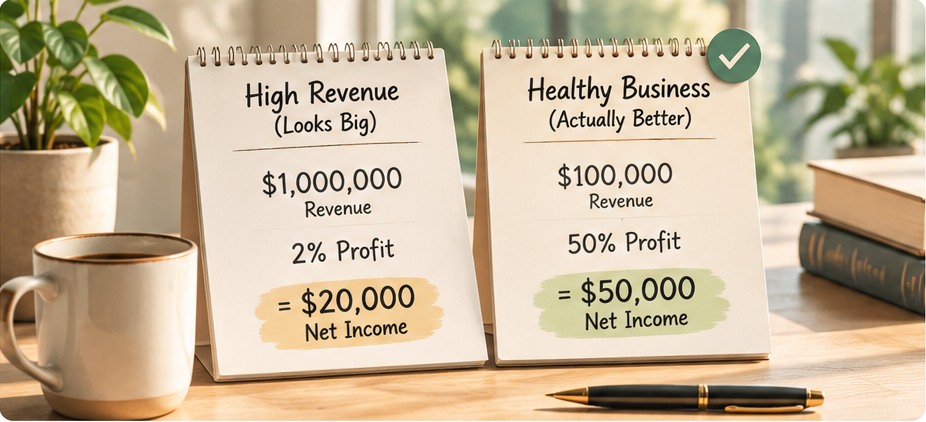
Imagine two offers. One attracts 500 subscribers but almost no replies or qualified conversations. Another attracts 90 subscribers and produces thoughtful questions from the people you can serve. Which is better depends on your business goals and actual results, not on the more impressive signup count. These numbers are illustrative, not a real test.
Useful measures include landing-page signup rate, delivery problems, first-email engagement, unsubscribes and qualified enquiries over a sensible period. Email open rates are increasingly imperfect because privacy features can affect tracking. Read more than one metric before deciding.
Set a measurable hypothesis: “A one-page customer brief template will attract more suitable enquiries than our generic newsletter popup.” Run the offer long enough to collect meaningful data. Review who downloads it, whether they use it, what they ask next, and whether the asset connects naturally to the paid work. If it attracts the wrong audience, improve the promise rather than simply increasing advertising spend.
Make the free offer feel complete, not like bait
A common frustration with free resources is the promise of an answer followed by a document full of headings and almost no substance. The “real answer” then appears behind a sales call. That is not a helpful exchange. The lead magnet should deliver the promised value on its own. The paid offer may offer implementation, personalization, speed or deeper support, but it should not be required to make the free asset functional.
For instance, a bookkeeping consultant can give away a well-made monthly expense reconciliation checklist. The checklist can genuinely help someone organize records. The consultant’s paid service would still have value because a specialist can handle edge cases, review the work and save time. The free item demonstrates how the professional thinks rather than artificially withholding basic steps.
It is also worth testing whether an email wall is necessary. A public template can attract organic links, help search visibility and demonstrate generosity. An optional email version might offer future tips or updates. Compare the experience from the reader’s point of view: Are they getting what they came for? Is their next step genuinely optional? Are you clear about how you will use the information provided?
Once the asset is live, talk to a few people who used it. Ask what they finished, where they got stuck, and what they needed next. This feedback is stronger than guessing from download counts alone. A lead magnet is most successful when it begins a relevant relationship—whether or not that relationship turns into a transaction immediately.
What to do when the download gets signups but no customers
If subscribers arrive but never engage, the answer is not automatically more messages. Look at the promise and the fit. A generic “free business planner” might attract people who enjoy collecting templates but are nowhere near buying a specialized service. A “first-time restaurant catering order checklist” might attract fewer people but better match a catering provider’s actual offering. Neither outcome is guaranteed; the point is to test audience alignment.
Inspect the path from resource to next step. Was the PDF usable on mobile? Did the link work? Was the first email readable, honest and relevant? Could a reader understand what the business does without a phone call? These details often matter more than adding another popup.
One practical feedback question is enough: “What were you trying to get done when you downloaded this?” The reply may reveal that the resource solves the wrong problem, stops one step too early or assumes knowledge beginners do not have. Improve the material before investing more in traffic. A better resource may attract fewer casual signups while creating a more useful relationship with the people your business can genuinely support.
A ten-day experiment for a small team
You can build a first version without a designer, a huge library or expensive automation. Choose one useful outcome and make the smallest credible resource around it.
1. Days 1–2: listen for the recurring question
Ask customers and review support conversations. Write the problem in the customer’s own plain words.
2. Days 3–4: create a small but complete answer
Design one checklist, template or short guide. Test whether someone can use it without an explanation from you.
3. Days 5–6: publish an honest landing page
Show the asset, state what emails follow and check the form, download link and mobile experience.
4. Days 7–10: promote, observe and improve
Share the resource where your real audience spends time. Look at useful enquiries, not only raw signups.
Use our 30-Day Marketing Planner to schedule the test and note what actually happened. A free resource should open a helpful relationship, not start a funnel that forgets there is a human being at the other end.
Frequently Asked Questions
What is a good lead magnet for a small business?
A short, specific checklist, template or guide that solves a problem your ideal customers face right now is a strong starting point.
Do I need to require an email for every free resource?
No. Some resources work better openly. An opt-in makes sense when there is a clear and consensual ongoing relationship.
How many follow-up emails should I send?
Use as few as needed to deliver the resource and provide genuinely relevant next steps. Give people control over future messages.
How do I know if a lead magnet works?
Check subscriber fit, engagement, qualified enquiries and subsequent customer value, not just the number of email addresses.