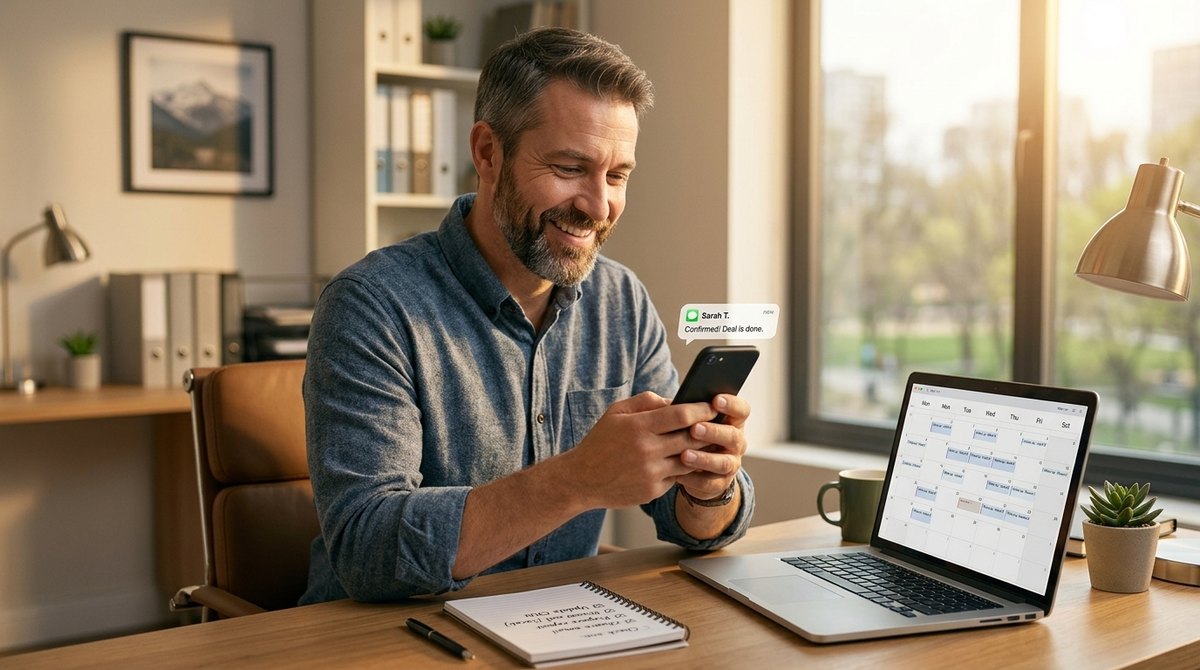
A customer finds your product, reads the page, adds it to the cart and... leaves. No email, no complaint, no explanation. Just an empty checkout.
Somewhere in their head, a small question went unanswered. Is it worth the price? Will it fit? Can I trust this site? What if I don't like it? They didn't ask you. They simply left.
That's why the best salespeople and the best websites don't wait for objections. They answer people's fears before they're spoken.
- Most customers never voice their doubts. They just leave.
- Five objections come up again and again: price, trust, timing, need and risk.
- Brands like Zappos and Warby Parker built growth by removing buyers' biggest fears upfront.
- Your website, FAQ, guarantees and sales conversations should answer the top fears before customers ask.
The Silent Objection Is the Most Expensive One
In a shop, you can see a customer hesitate and ask if they need help. Online, hesitation is invisible. The Baymard Institute, which studies online checkout behavior, estimates that roughly 70% of online shopping carts are abandoned.
When Baymard asks shoppers why they left during checkout, the answers are remarkably familiar: extra costs like shipping and taxes that were too high, being forced to create an account, not trusting the site with their card details, slow delivery and unclear return policies. Almost every one of those reasons is a fear or doubt the business could have addressed in advance.
Every unanswered question is a reason to leave.
The Five Most Common Objections
1. Price: "It's too expensive."
Usually this really means "I'm not sure it's worth it." Show the value, the results and what it costs to do nothing.
2. Trust: "Are you legit?"
People need proof: reviews, real photos, clear contact details, secure checkout and a real person behind the business.
3. Timing: "Not right now."
Explain why now makes sense, or make it easy to come back later with a reminder or a saved cart.
4. Need: "Do I really need this?"
Connect your product to a specific problem they already feel, in their own words.
5. Risk: "What if it doesn't work for me?"
Guarantees, free returns, trials and clear policies make the decision feel safe.
Brands That Answered Fears Upfront
Zappos and the fear of the wrong size
Buying shoes online used to feel risky. What if they don't fit? Zappos attacked that fear directly with free shipping and a famously generous return policy, giving customers up to 365 days to send items back. The message was clear: try them at home, and if they're wrong, it costs you nothing. Removing the biggest fear made people comfortable buying shoes they'd never tried on.
Warby Parker and the fear of the wrong glasses
Choosing glasses without trying them on seemed impossible. Warby Parker answered that objection with its Home Try-On program: customers pick five frames, try them at home for free and send them back. The question "what if they look wrong on me?" was answered before anyone had to ask it.
Neither company waited for customers to complain. They looked at the biggest reason people hesitated and designed their offer around removing it.
How to Answer Objections on Your Website
- Show the full price early. Surprise shipping costs at checkout are a top reason people leave. Be upfront.
- Add proof near the buy button. Reviews, ratings, testimonials and real customer photos calm trust fears right where doubt appears.
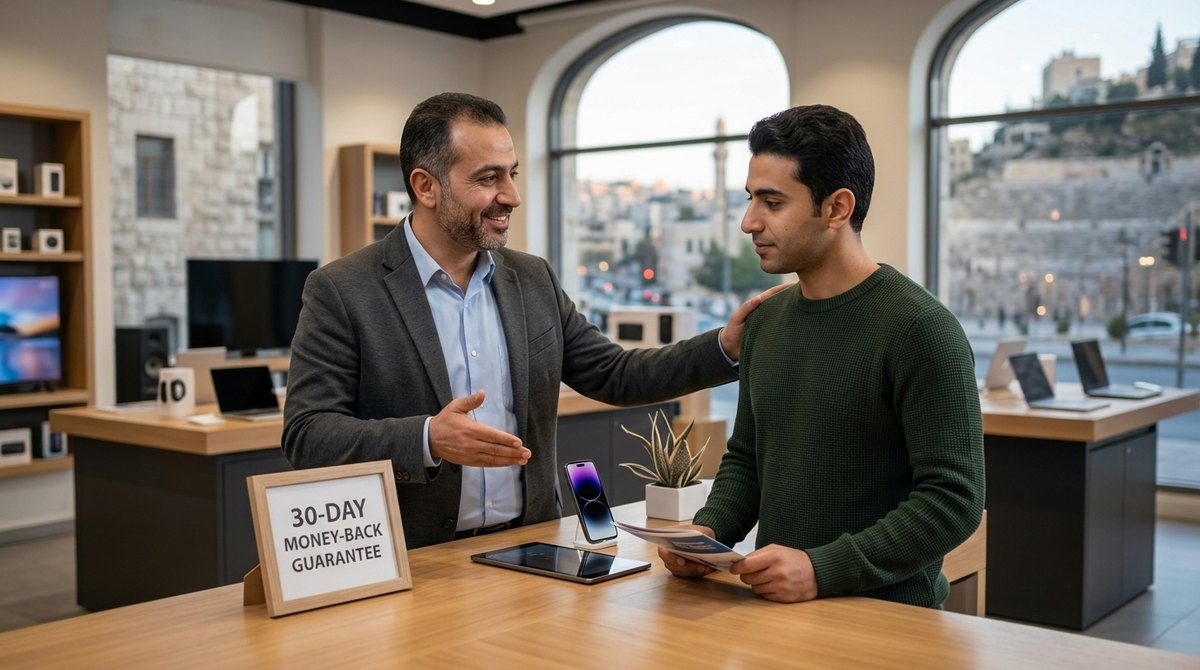
- Make your guarantee impossible to miss. "30-day money-back guarantee" next to the price works harder than a policy hidden in the footer.
- Write an honest FAQ. Collect the questions customers actually ask in emails and calls, and answer them clearly on the product page.
- Allow guest checkout. Forcing account creation adds friction at the worst moment.
"Over 2,000 happy customers. Read their reviews."
"Ships within 24 hours. Arrives in 3 to 5 days."
Only use claims that are true for your business, of course. A promise you can't keep creates a much bigger objection later.
Handling Objections in Conversation
When you're talking with a customer, objections are good news. They mean the person is interested enough to think it through. Try this simple four-step approach:
Step 1: Listen fully
Let them finish. Interrupting makes people defensive.
Step 2: Acknowledge
"That's a fair question" or "I understand, that's a real concern" shows respect.
Step 3: Clarify
Ask a question to find the real worry: "When you say it's expensive, compared with what?"
Step 4: Answer with proof
Share a result, a guarantee or a customer story that speaks to that exact fear.
You: "That makes sense. Can I ask what you're comparing it with? Most clients find it pays for itself within two months because it saves around five hours a week. And if it doesn't work for you, there's a full refund within 30 days."
Conclusion: Remove the Fear, Keep the Customer
Customers rarely tell you what's stopping them. They just quietly walk away. The businesses that grow are the ones that hear those silent questions and answer them in advance.
This week, list the five questions customers ask you most often. Then make sure each one is answered clearly on your website and in your sales conversations. When the fear disappears, the yes becomes much easier.
Frequently Asked Questions
What is a sales objection?
It's a doubt or concern that stops a customer from buying, such as worries about price, trust, timing, need or risk.
What are the most common objections?
Price, trust, timing, need and risk. Most hesitations fall into one of these five groups.
How do I handle the price objection?
Ask what they're comparing it with, show the value and results, and reduce the risk with a guarantee or clear refund policy.
How can my website answer objections?
Show full prices early, add reviews near the buy button, make your guarantee visible, write an honest FAQ and allow guest checkout.
Are objections a bad sign?
No. A spoken objection usually means the customer is interested and thinking seriously. It's a chance to help them decide.