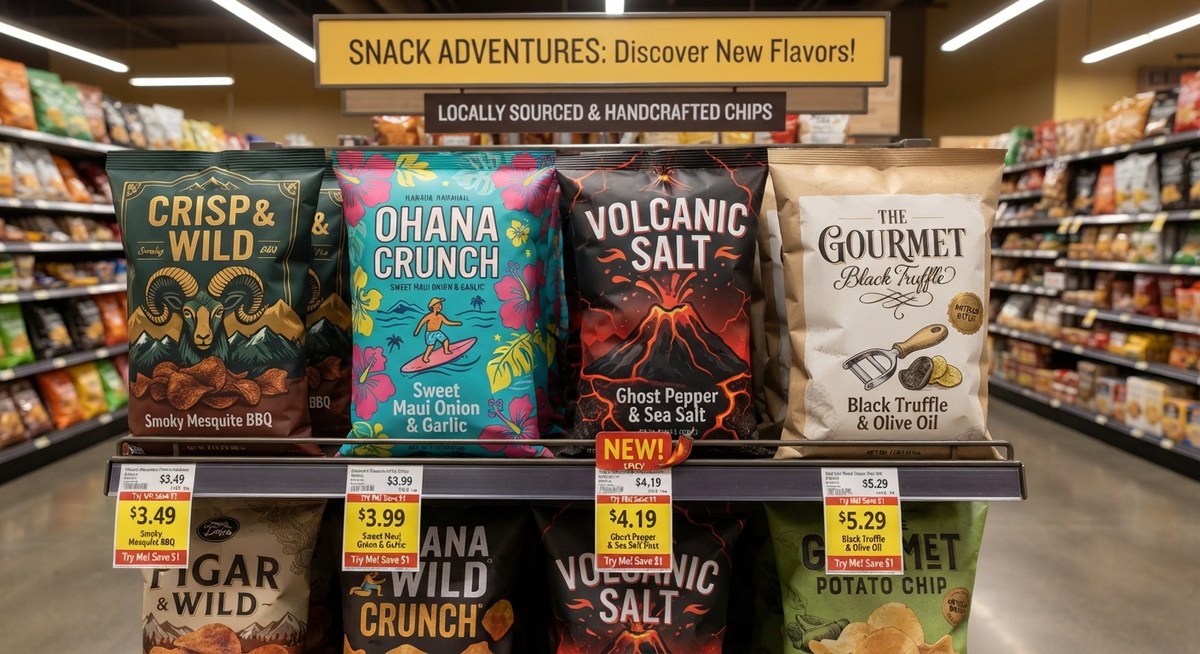

Imagine walking down a busy city street on a crisp Saturday afternoon, trying to decide where to grab lunch. As you pass by a local artisan bakery, a cheerful baker standing outside hands you a warm, freshly baked mini croissant on a small napkin.
You take a bite. It is buttery, flaky, and absolute perfection.
In that exact moment, what happens in your mind? You feel a sudden, involuntary wave of gratitude and reciprocity. You don't think, "Oh, they gave me this for free, so I'm going to take advantage of them and walk away." Instead, you immediately turn around, walk inside the shop, and happily spend fifteen dollars buying a box of pastries and a specialty coffee.
The baker didn't win your business by putting up an aggressive sign that shouted, "BUY OUR PASTRIES NOW!" They won your business by proving their quality in advance, completely risk-free.
In the hyper-competitive world of digital business, e-commerce, and professional services, most entrepreneurs operate out of fear. They guard their knowledge, tips, and strategies like medieval fortress keepers, locking everything behind paywalls because they worry: "If I give away my best secrets for free, why would anyone ever pay me?"
The exact opposite is true. The golden rule of modern growth and sales is: free value — give away something useful to show expertise.
Let's explore why hoarding information kills conversion rates, how human reciprocity drives sales, and how giving away your best work upfront is the fastest way to build a loyal, paying customer base.
- Hiding your knowledge signals insecurity; sharing it signals confidence that your paid offer goes even deeper.
- The Norm of Reciprocity only triggers when the free value is genuinely useful, not a fluff-filled lead magnet.
- HubSpot, Notion, and Canva let people build real projects for free before ever asking for a card — customers fall in love with the utility first.
- Information is a commodity; execution is rare. Give away the "what" and "why" for free, and sell the "how" faster and better.
The Scarcity Trap: Why Hiding Your Best Work Fails
To understand why giving away value works so powerfully, you have to look at how consumers make buying decisions today.
Before a customer hands over their credit card, software subscription fee, or consulting retainer, they are wrestling with a massive wall of skepticism. They have been burned by low-quality products, overhyped courses, and empty marketing promises before. They don't trust you yet.
If your entire strategy consists of hiding your insights, locking your best content behind email gates, and shouting, "Trust me, I'm an expert!" without ever proving it, you trigger immediate resistance.
Hiding your knowledge signals insecurity. It tells the market: "We are afraid that if you actually see what we know, you'll realize we aren't that good."
Sharing your knowledge signals supreme confidence. It tells the market: "We know our stuff so well that even when we give our best strategies away for free, you realize how much deeper our paid ecosystem goes."
When you refuse to share useful value upfront, you force customers to buy blind. And in a world of infinite choices, nobody buys blind anymore.
The Psychology of Reciprocity: The Most Powerful Force in Sales
In behavioral psychology, the Norm of Reciprocity is one of the most deeply ingrained social rules of human civilization. When someone does something kind for us or gives us something of genuine utility without demanding anything in return, we feel a psychological urge to return the favor.
Notice that reciprocity is triggered only when the value given is genuinely useful.
If a brand hands you a generic, fluff-filled PDF titled "10 Secrets to Success" that just repeats common sense, you feel annoyed rather than grateful. But if a brand gives you a deeply tactical, step-by-step checklist that actually solves a frustrating problem in your business within ten minutes, your perception of that brand instantly shifts.
You go from viewing them as a pushy salesperson to viewing them as a trusted, authoritative mentor.
When you finally introduce a paid product or service, buying from you no longer feels like a risky financial gamble. It feels like the natural, comfortable next step in a relationship that has already delivered massive value.
The Paradox: Why Free Samples Sell Premium Products
Look at how the world's most successful software companies, creators, and brands operate:
- SaaS giants: companies like HubSpot, Notion, or Canva don't lock their entire platforms away behind a strict paywall. They offer robust free tiers or generous free trials. They let you build real projects, experience the speed of the software, and fall in love with the utility before you ever enter your credit card.
- Content creators: elite writers, consultants, and educators publish their absolute best frameworks, templates, and strategies on blogs, newsletters, or social media for free every single week. Yet, their paid masterclasses and consulting rosters sell out instantly.
Why? Because information is a commodity; execution is rare.
When you give away what to do and why to do it for free, you establish undeniable authority. Customers gladly pay you when they want help with how to implement it faster, cleaner, and with personalized guidance.
The Blueprint: How to Build a "Free Value" Engine
If you want to stop fighting for attention and start attracting high-intent buyers naturally, implement this four-step strategy.
Step 1: Identify Your Customer's Immediate Frustration
What is one annoying, repetitive problem your target audience struggles with every single week? (e.g., writing a cold email, formatting a spreadsheet, editing a photo, or setting up a workout routine.)
Step 2: Give Away the Cure, Not Just the Teaser
Create a piece of content — a detailed blog post, a free template, a 5-minute video tutorial, or a swipe file — that completely solves that specific problem. Do not hold back your best insights. Make the free resource so good that people would normally expect to pay $50 for it.
Step 3: Remove All Friction
Do not hide your free value behind aggressive, annoying popups that demand twenty personal details just to read a paragraph. Make your best insights easily accessible, frictionless, and generous. Let your work speak for itself.
Step 4: Naturally Bridge to the Next Level
At the end of your free resource, gently show the customer what obstacle they will face next. That natural transition becomes your invitation to your paid product, service, or advanced community.
Conclusion: Stop Selling, Start Demonstrating
In a marketplace overflowing with hype and noise, shouting louder won't win you customers.
Stop guarding your knowledge like a secret treasure. Be the most generous expert in your industry. Give away your best tools, share your deepest insights, and prove your competence in advance.
When you lead with relentless, practical free value, you stop chasing clients — and start letting your expertise do the selling for you.
Frequently Asked Questions
Why would giving away my best knowledge for free actually help sales?
Hoarding knowledge signals insecurity — it implies you're afraid customers will judge you if they see what you know. Sharing it generously signals confidence, and proves your expertise before anyone has to risk a dollar to find out.
What is the Norm of Reciprocity?
It's a deeply ingrained psychological rule: when someone gives us something genuinely useful without asking for anything in return, we feel a natural urge to return the favor — which is why quality free content converts into paying customers.
Does any free resource trigger reciprocity, or does it have to be good?
It has to be genuinely useful. A generic, fluff-filled PDF creates annoyance, not gratitude. A specific, tactical resource that actually solves a real problem is what shifts a stranger's perception of you into a trusted mentor.
How do companies like HubSpot or Canva make money if their tools are free to start?
Their free tiers let users build real projects and experience genuine utility before ever paying. Once someone falls in love with the product through hands-on use, upgrading to a paid plan feels like a natural next step, not a gamble.
What's the difference between giving away 'what to do' versus 'how to do it'?
Information — the what and why — is a commodity that can be shared freely to build authority. Execution — the personalized how, done faster and cleaner — is what customers are genuinely willing to pay for.